Home / Service Area / Gates
A town of fifties and sixties houses, and a lot of roofs already carrying two layers.
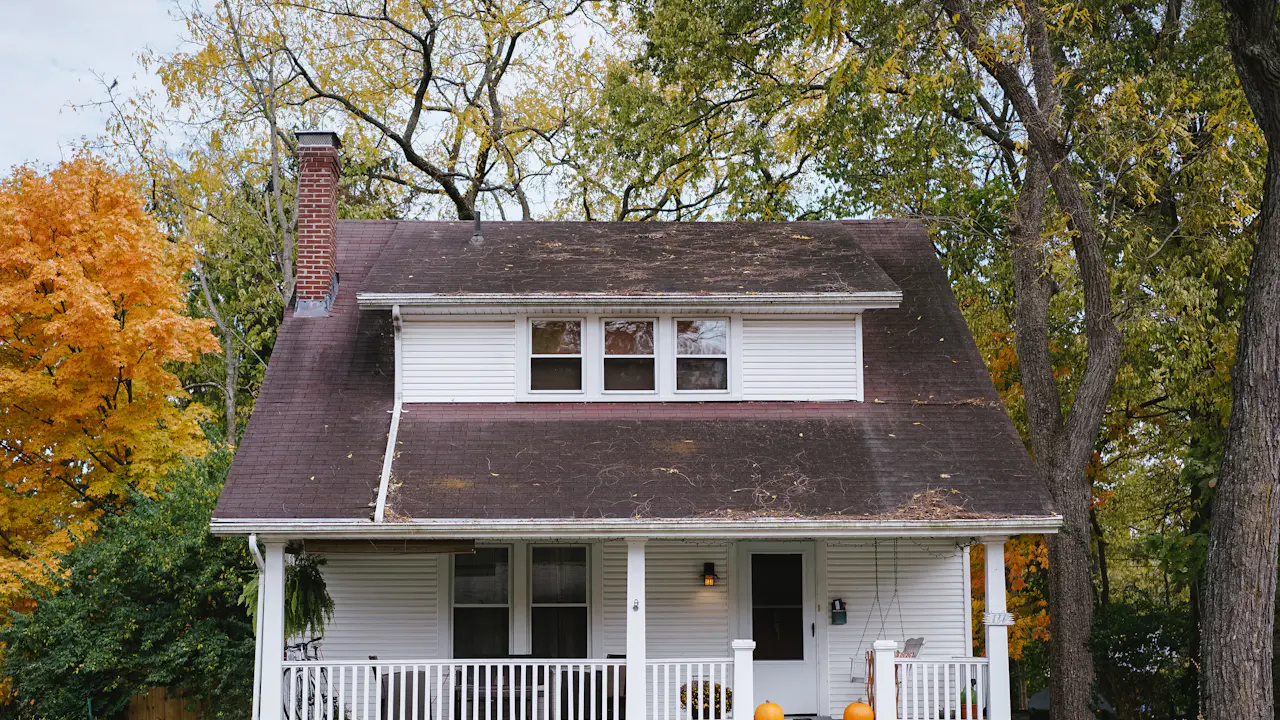
Gates runs along the city’s western edge, with Buffalo Road and Chili Avenue carrying the length of it and Lyell Avenue along the north. It filled in during the fifties and sixties and has not changed shape much since, which makes the housing here unusually consistent.
Buffalo Road, Chili Avenue and Lyell Avenue east to west, with 390 on the city side and the airport on the northeast corner.
Post-war capes, ranches and small colonials, built close together on modest lots. Simple roofs, and many of them on a second layer.
Flat and open on the west side, so wind gets a clean run. Freeze-thaw the same as the rest of the county.
Around fifty-five minutes from Attica, out 33 or 490.
On a Gates cape the two things we actually find are wind damage along the ridge and the windward slope, and a second layer of shingles hiding decking nobody has seen since 1974. The first is a repair conversation and the second is a tear-off conversation, and the photos say which.
Straight talk on insurance claims. We inspect, photograph, and document the damage, and we give you a written, itemized estimate you can hand to your insurer — and we can meet your adjuster on the roof. Your insurance company decides what’s covered. We don’t negotiate settlements — by New York law only a licensed public adjuster or attorney can represent you in a claim. We never pay, waive, or absorb deductibles (New York GBL §771-b makes that insurance fraud), and no contractor can promise your claim will be approved.
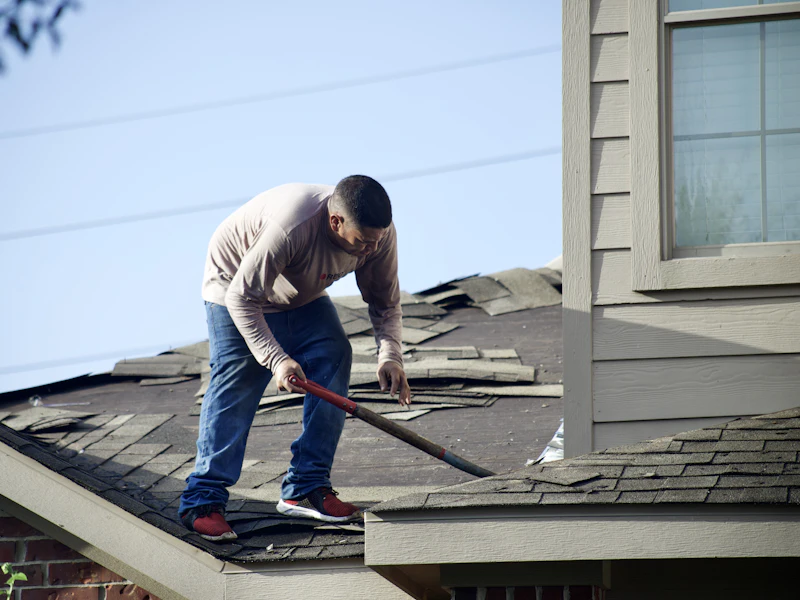
Repair or full replacement — we photograph what we find and recommend the cheaper fix when it will hold.
Explore roofing →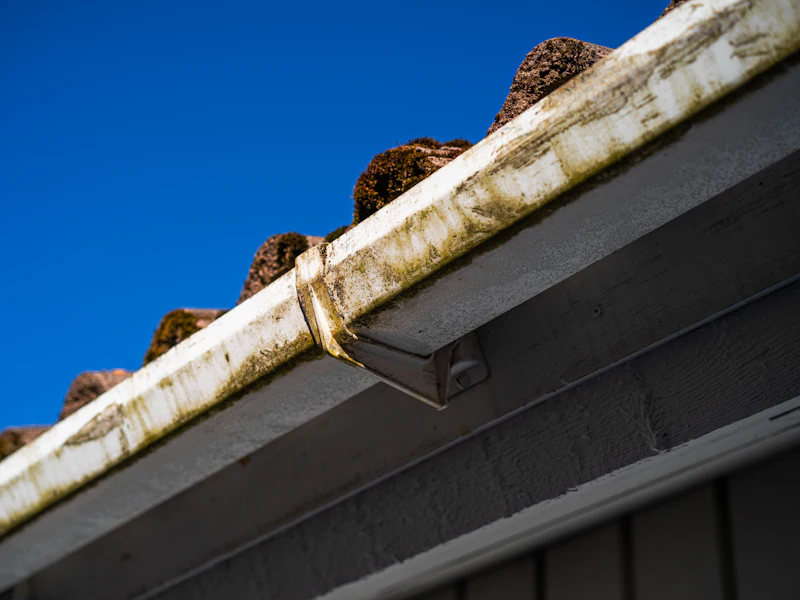
Seamless runs sized to the roof that feeds them — fewer seams, fewer failure points.
Explore gutters →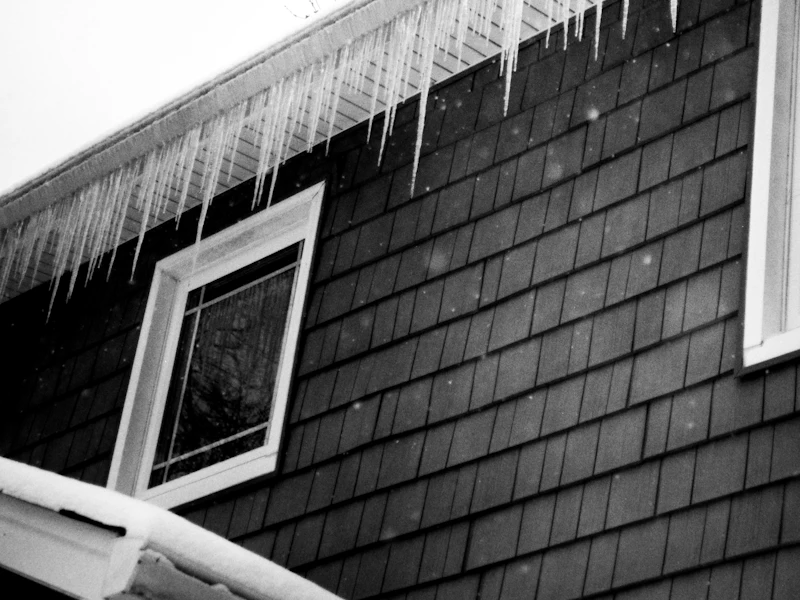
Wind off the lake plain and ice at the eaves. We photograph every slope and put the findings in writing.
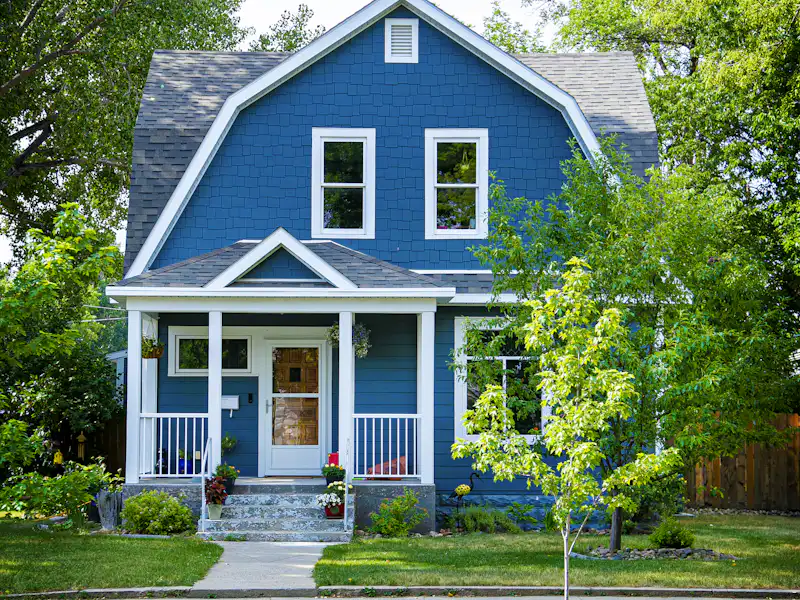
Explore storm damage →Representative photography — our first Gates-area projects will be documented here.
Code allows two layers of asphalt and no more. On a lot of Gates houses the second went on decades ago, which makes the next one a tear-off. We check the edge and the rake, show you the count in a photograph, and price from there.
Nearby: roofing in the City of Rochester · roof reports in Chili · roofing in Greece · roof repair in Henrietta
Plank decking with gaps is the common one. Boards laid in 1955 with half-inch spaces between them hold a nail poorly and give a modern shingle nothing to bite. Sometimes the answer is re-nailing and sometimes it is a layer of sheathing over the top, and either way we photograph it and price it as its own line before it gets covered.
The second is ventilation that was never really there. A cape built before ridge vents were standard often has a couple of roof louvres and blocked soffits, which runs the attic hot in summer and ices the eave in winter. Fixing that during a tear-off is cheap. Doing it afterwards is not.
And the third is the old flashing. Chimney and sidewall flashing on a house this age has usually been tarred over twice. We replace it rather than re-tarring it, and the written scope names the metal so you can see what you are buying.
Look at the rake edge or the gutter line, where the layers show as a step. We photograph it close up on the roof report so you can see the count yourself rather than taking our word for it.
We photograph it, call you, and price the replacement as a separate line before anything is covered. Nothing goes on the invoice that you have not seen a picture of first.
Usually yes, and on a house of this era it is often the single most useful thing in the job. It only works if the soffit intake is clear, so we check the attic before promising it.
Age and wear are not. Genuine wind damage can be. We document what is there with photos and an itemized estimate, and your insurance company makes the call.
Every slope photographed, findings explained, and a written, itemized price — repair, replace, or “you’re good for now.”
The Walk-Away Promise: if the report says your roof is fine, we hand you the file and leave. No follow-up calls unless you ask for one. See all 27 points →
Tell us what’s going on up top. We come out, photograph everything, and put the answer in writing — no pressure.
