Home / Ice Dams
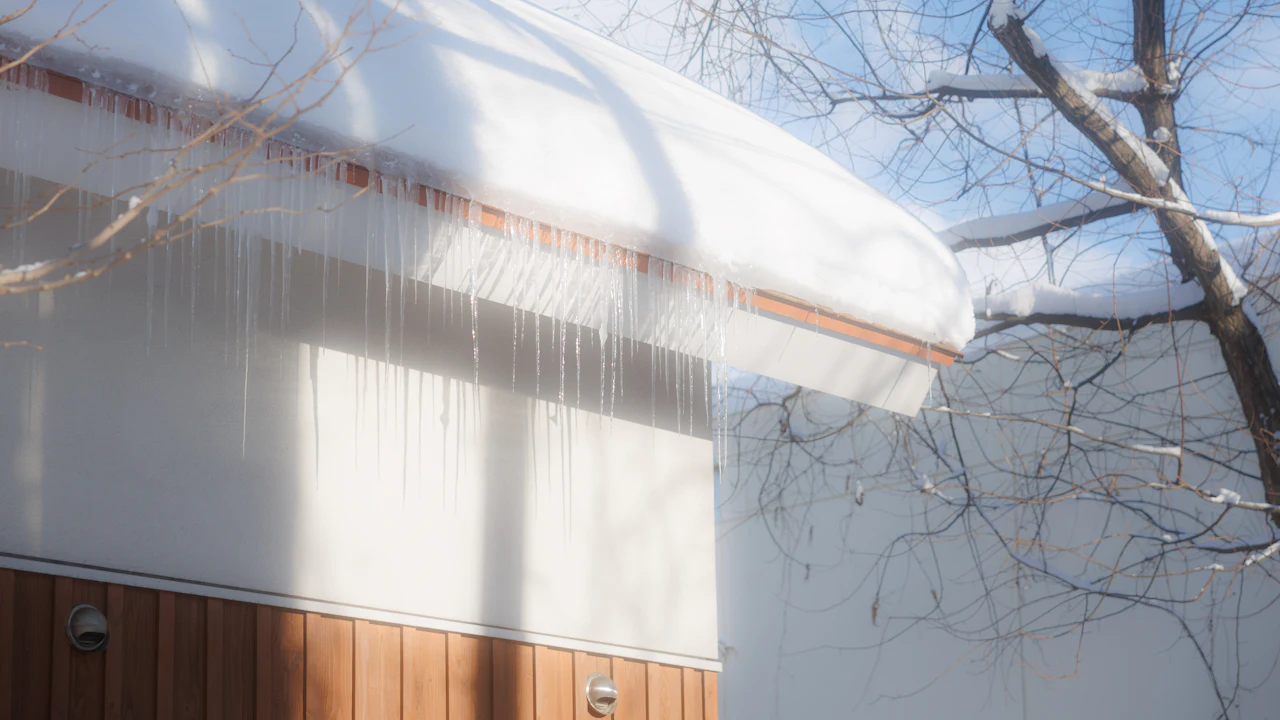
The icicle curtain is the symptom. The cause is warm air leaking into the attic and melting the snow from below. We handle the ice safely — and fix the reason it keeps coming back.
A ceiling stain today can mean soaked insulation, rotted framing, and mold by spring. Move your belongings, catch the water, photograph everything, and call or text (716) 226-5294. Please don’t climb an icy roof or set a ladder against an ice-loaded gutter — it’s one of the most dangerous jobs there is.
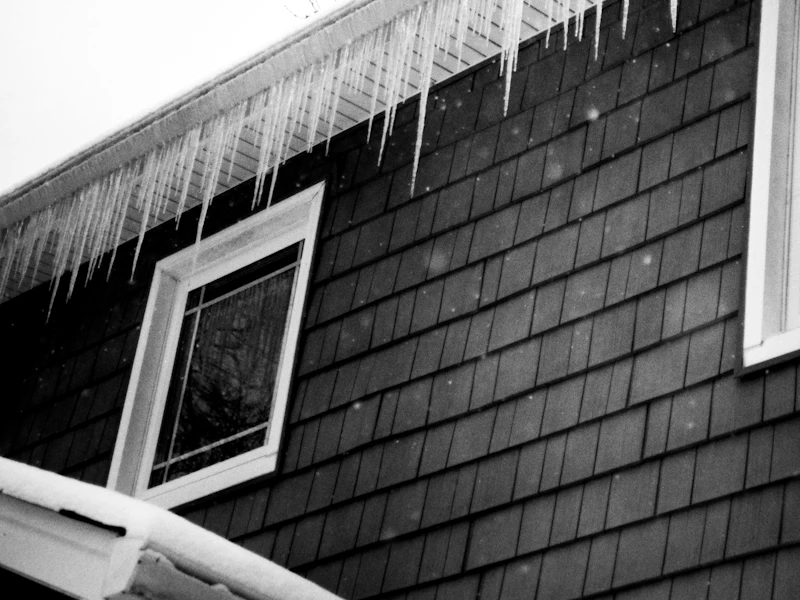
An ice dam is a ridge of ice that forms along the cold edge of a roof and blocks melting snow from draining. Water pools behind the dam, works its way up under the shingles, and leaks into the roof deck, attic, insulation, walls, and ceilings below.
The part most homeowners miss: an ice dam looks like a weather problem, but the cause is heat escaping from inside the house. Warm air leaking into the attic warms the roof deck and melts the snow from underneath. That meltwater runs down to the eaves (which hang past the walls and stay cold) and refreezes. Repeat that cycle for a week and the ridge grows into a dam.
Lake-effect snow, long stretches below freezing, and constant freeze-thaw swings load our roofs all winter. Add the older farmhouses and village homes around Attica and Warsaw, many with under-insulated, leaky attics, and ice dams become a question of when, not if.
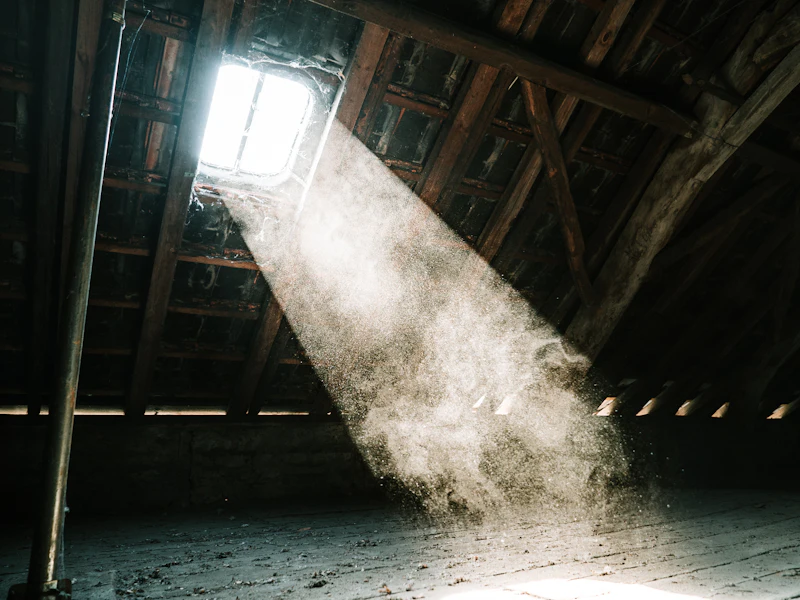
Backed-up water lifts and loosens shingles; the ice load bends gutters and tears them off the fascia.
Meltwater soaks insulation, killing its R-value, and stains or collapses drywall below.
Trapped moisture rots framing and feeds mold — damage that shows up months after the ice is gone.
There’s a right way and a wrong way to get ice off a roof. The wrong way creates leaks that show up in April.
The safe method: steam cuts channels through the ice and undercuts the dam so it releases — without touching shingles or flashing.
Priority one is getting water out of the house — then clearing the dam and photographing what’s underneath.
A legitimate stopgap you can do yourself: rake the snow off the lower few feet after each storm, feet planted on the lawn.
It cracks shingles, dents flashing, and strips granules — turning one leak into several.
Sodium chloride corrodes shingles, gutters, and flashing, and kills the plantings below. Only calcium-chloride ice melt is roof-safe — and it’s still a stopgap.
An ice-loaded ladder and a frozen slope is how homeowners get hurt every winter. The ice isn’t worth it.
Removal handles the crisis. Prevention handles the cause: keep the roof deck cold, evenly cold — in this order.
Seal the gaps around lights, pipes, and the attic hatch so warm house air stops warming the roof. The highest-leverage fix.
Attic insulation deep enough for our climate keeps the heat in the living space where you paid to put it.
Soffit-to-ridge airflow keeps the deck cold and even, so snow doesn’t melt from below and refreeze at the eaves.
Ice-and-water shield at the eaves and valleys is the waterproof backup if a dam ever forms again — standard on every roof we install.
Heat cables can keep a drainage channel open, but they treat the symptom and show up on your electric bill. Fall is the time to fix the cause — before the first freeze.
Book a prevention check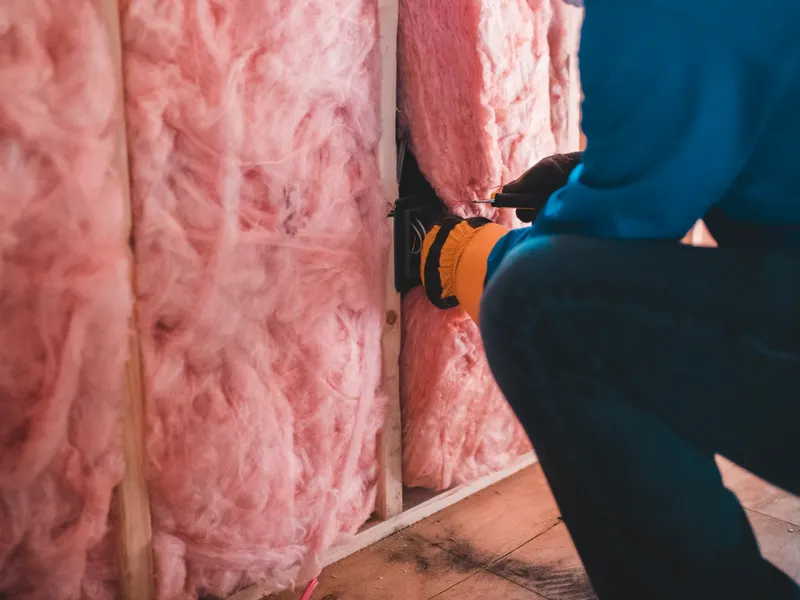
Intake at the soffits, exhaust at the ridge. When that path is blocked (painted-shut soffit vents, insulation stuffed into the eaves), the deck warms unevenly and the melt-refreeze cycle starts.
Our free roof report includes a look at the attic and ventilation where accessible — ice-dam risk shows up there first.
Crushed or blocked soffits choke the whole system — soffit & fascia work and ice-dam prevention are the same conversation.
Homeowners policies often treat the sudden interior water damage an ice dam causes (ceilings, walls, soaked insulation) differently from the ice removal itself, which is usually considered maintenance. Report damage promptly and photograph everything; your policy and your insurer control what applies.
Straight talk on insurance claims. We inspect, photograph, and document the damage, and we give you a written, itemized estimate you can hand to your insurer — and we can meet your adjuster on the roof. Your insurance company decides what’s covered. We don’t negotiate settlements — by New York law only a licensed public adjuster or attorney can represent you in a claim. We never pay, waive, or absorb deductibles (New York GBL §771-b makes that insurance fraud), and no contractor can promise your claim will be approved.
Either way, the first step is the same: we look, we photograph, and we put the answer in writing — remove the ice, repair the damage, or fix the attic so it stops happening.
Active leak? Calling is fastest: (716) 226-5294
The Walk-Away Promise: if the report says your roof is fine, we hand you the file and leave. No follow-up calls unless you ask for one. See all 27 points →
A ridge of ice at the roof’s edge that blocks melting snow from draining, forcing water back up under the shingles and into the house.
Please don’t. Chipping cracks shingles, and climbing an icy roof or setting a ladder against an ice-loaded gutter is genuinely dangerous. A ground-based roof rake or calcium-chloride ice melt is a reasonable stopgap — an active leak is a job for a pro.
No — low-pressure steam melts the ice without touching the roof surface. That’s exactly why it’s the safe method, unlike hammers, picks, or rock salt.
Because the cause hasn’t changed: heat is escaping into the attic at that spot and melting the snow above it. Air-sealing, insulation, and balanced soffit-to-ridge ventilation stop the cycle. Same ice, same place, every winter is diagnostic — not bad luck.
Often the sudden interior water damage is covered if you report it promptly; the ice removal itself is usually treated as maintenance and isn’t. We photograph and document everything and give you a written estimate — your insurer decides what’s covered.
Fall, ideally. An October attic-and-roof check finds the heat leaks and blocked vents before the snow flies, and prevention work costs a fraction of an emergency plus a repaired ceiling.
One visit: we check the roof, the eaves, and the attic, photograph what we find, and put the fix in writing.
