Home / Learn / How Long Roofs Last in WNY
In Western New York, a 3-tab asphalt roof typically lasts 15–20 years, an architectural shingle roof 20–30, and a standing-seam metal roof 40–50 or more. Exposed-fastener metal — the screw-down ag panel on most barns and a lot of cheaper re-roofs — is the one people misjudge: the panels outlive the screws, so it runs about as long as a 3-tab, 15–25 years, unless the gaskets get serviced. All of them land toward the low end of the manufacturer’s rating here, because freeze-thaw cycling, snow load, and wind take a real toll. Ventilation matters as much as materials: a hot, damp attic can cut years off any roof.
The wrapper number assumes mild weather. Wyoming County isn’t mild.
Water gets into every gap, freezes, and pries. Dozens of cycles a winter work sealed shingle strips loose year after year.
Refreezing meltwater backs up under shingles at the eave. One bad winter can do a decade’s worth of edge damage.
The weight itself is designed for — the roof rakes, ice choppers, and foot traffic that follow it are what scar shingles.
Cold-weather gusts lift shingles whose seal strips can’t re-bond until spring. Lifted once, they lift easier the next time.
A hot attic bakes shingles from below in summer and builds ice dams in winter. It’s the quietest roof-killer on this list.
Four nails where six belong, reused flashing, no drip edge — shortcuts don’t show for five years, then they’re the whole story. Know the parts →
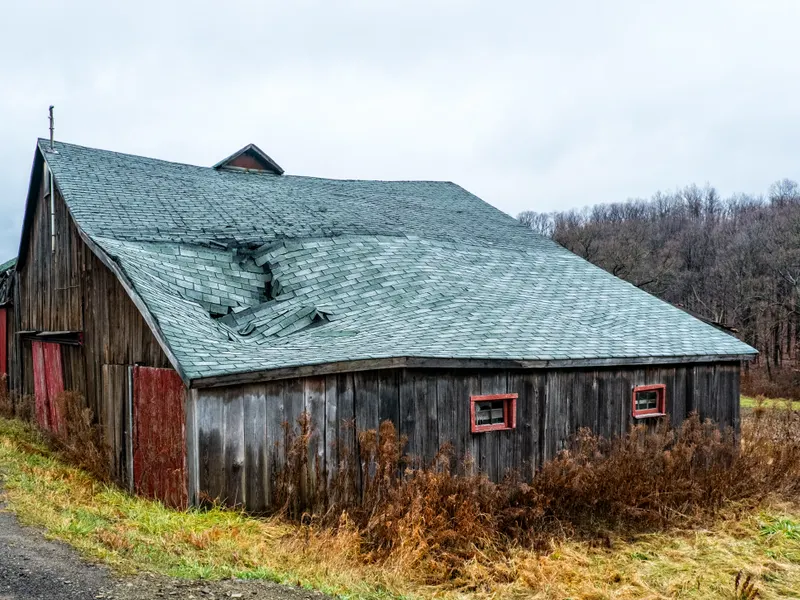
Granule loss, curled edges, a soft line at the eave — a roof announces its last years loudly if you know where to look.
The full checklist: signs you need a new roof →
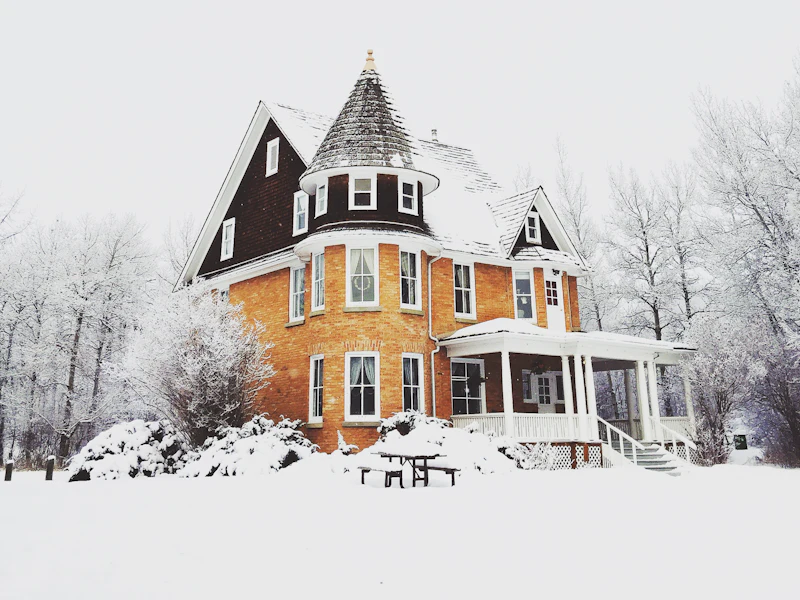
A century home around Attica or Warsaw is on its fourth or fifth roof. Each layer-over shortened the next one’s life; a clean tear-off resets the clock properly.
When the time comes: how our roof replacement works · what it costs

Often, yes. Fixing ventilation, clearing gutters, replacing failed flashing, and repairing small damage early are the levers that actually add years. A free roof report tells you which ones your roof needs — sometimes the answer is “you’re good for now.”
Ratings assume ideal conditions — moderate weather, perfect ventilation, flawless install. WNY freeze-thaw and snow are not ideal conditions. A rating is a ceiling, not a promise; around here, plan on the low end of the range.
If it’s at the end of its range and showing multiple signs of age, yes — a planned replacement in good weather costs less than an emergency one after water gets into insulation and drywall. If it’s borderline, we’ll say so in writing.
Yes. A roof has to breathe from the bottom up — air in at the soffit, out at the ridge. Blocked soffits cook shingles in summer and feed ice dams in winter, and either one quietly shortens the roof over it.
We photograph every slope and give you the honest read in writing — including “you’re good for now.”
Every slope photographed, the honest read in writing — whether that’s five more good years or time to plan.
