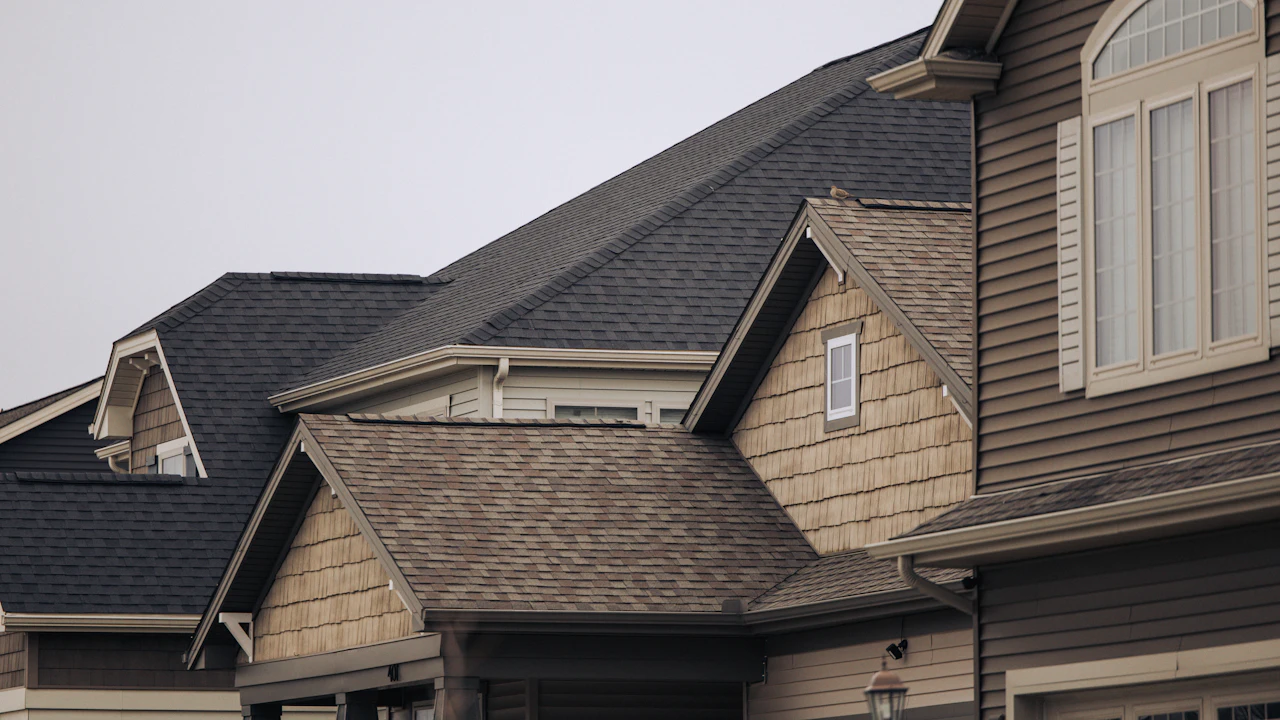
A shingle roof is a system of layers: decking on the rafters, underlayment and ice-and-water shield over it, shingles on top — trimmed with drip edge, fascia, and soffit at the edges and vented at the ridge. Every part sheds water to the one below it. When a roof leaks, it’s almost always because one of these parts failed, not the shingles in the middle.
Copper marks the water-protection details — the parts that decide whether your ceiling stays dry.
Know these and no estimate can hide behind jargon.
The wood panels the whole roof is nailed to. Rot here gets replaced, not covered.
The water-resistant layer between decking and shingles — the backup plan for wind-driven rain.
A self-sealing membrane at eaves and valleys — the two places WNY roofs actually fail.
Metal at the roof edge that kicks water into the gutter instead of behind the fascia.
The vertical board at the eave your gutters hang from. Peeling paint here often means a gutter problem.
The underside of the roof overhang — and the intake vent your attic breathes through.
The exhaust at the peak. Paired with clear soffits, it keeps the attic cold — the cure for ice dams.
Where two roof planes meet and send their water down one channel — a top leak point.
Metal where the roof meets anything else — chimney, wall, vent pipe. The leak point most repairs miss.
How steep the roof is, written as rise over run. Steeper roofs shed snow faster — and cost more to work on.
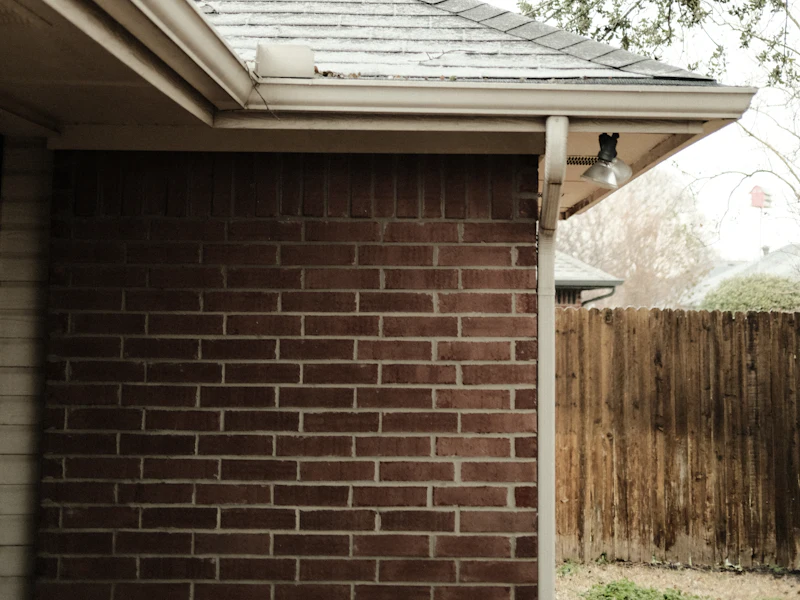
Eaves take the ice. Valleys take the volume. Flashing takes the joints. That’s where we look first — and where cheap installs cut corners.
See how we protect them on a roof replacement, or start with a free inspection.
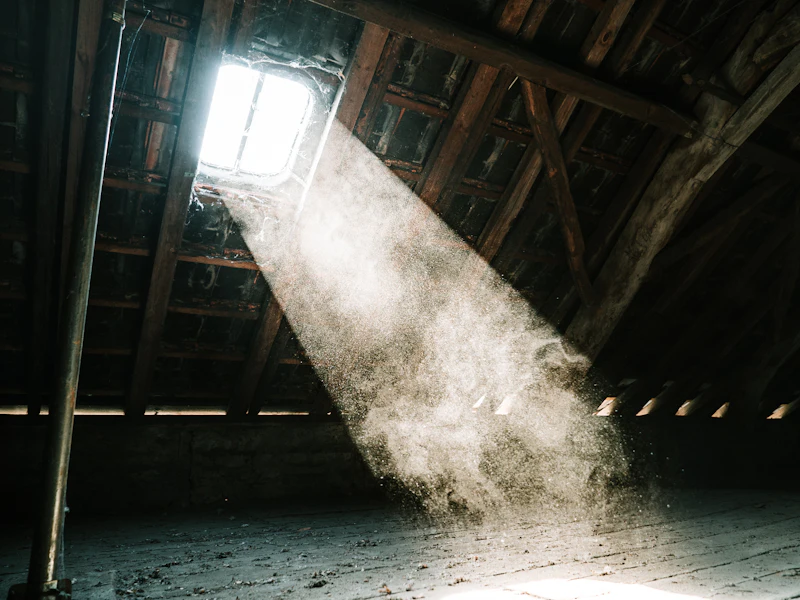
A roof has to breathe from the bottom up. Blocked soffits and thin insulation cook shingles in summer and build ice dams in winter.
Wondering how much life your attic is costing you? Read how long roofs last in WNY.
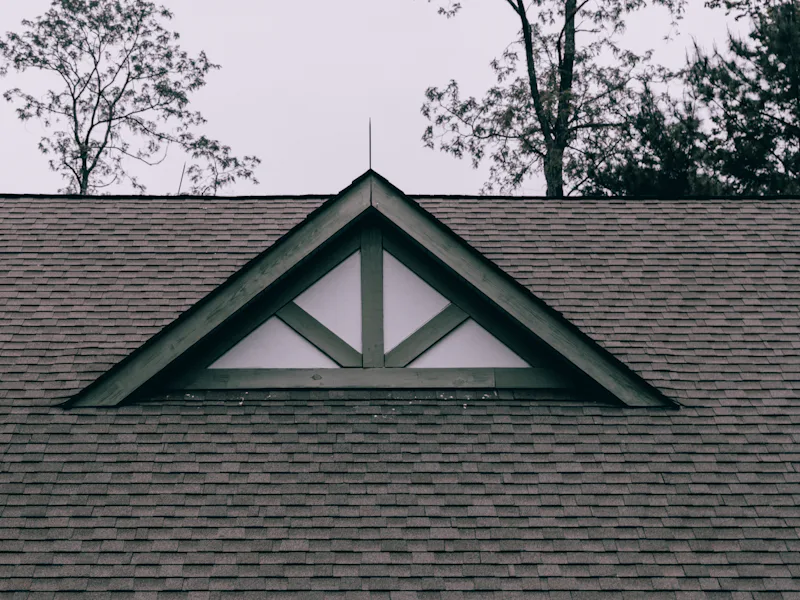
Gables, hips, dormers, valleys — the more planes a roof has, the more edges, and the more places water can find a way in.
Complexity is also a real cost driver — see what a new roof costs in WNY.
It’s a self-sealing waterproof membrane installed under the shingles at the eaves and valleys — the two places WNY roofs actually fail. In our climate, building code requires an ice barrier at the eaves, and we run it past the minimum because ice dams don’t read code books.
Fascia is the vertical board at the roof edge your gutters hang from; soffit is the horizontal underside of the overhang. The soffit is also your attic’s air intake — paint it shut or stuff it with insulation and the whole roof pays for it.
Steeper roofs shed water and snow faster, so they tend to last longer here. They also take more labor, staging, and safety gear to work on, which is one of the honest reasons two same-size houses can get different prices.
Flashing is the metal where the roof meets anything that isn’t roof — chimneys, walls, vent pipes. It fails when it’s reused during a reroof, sealed with caulk instead of layered correctly, or pried loose by ice. Most “mystery leaks” trace back to it.
Drip edge to ridge vent — the free roof report documents each one on your house, with a written finding for anything that needs attention.
Every part on this page, photographed on your house — findings in writing, no pressure either way.
