Home / Storm Damage / Wind Damage
One gust breaks the seal strip. Every rain after that finds the opening.
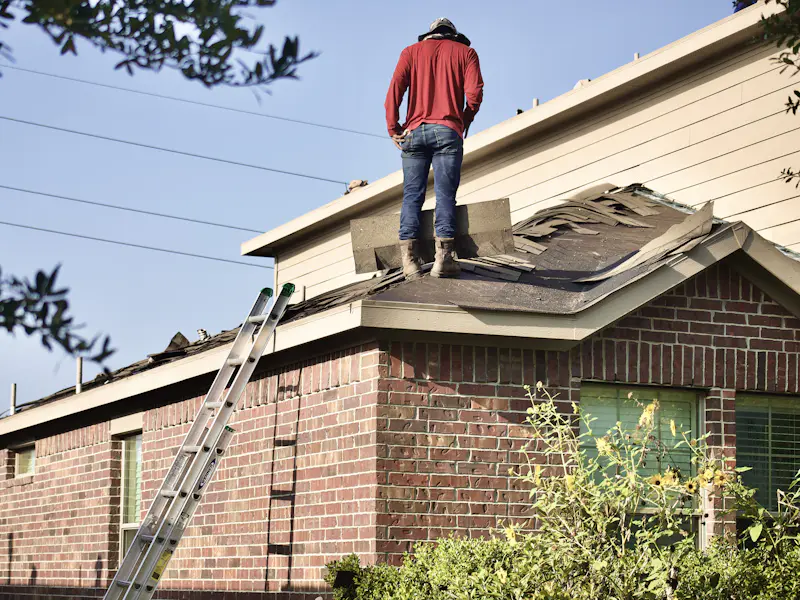
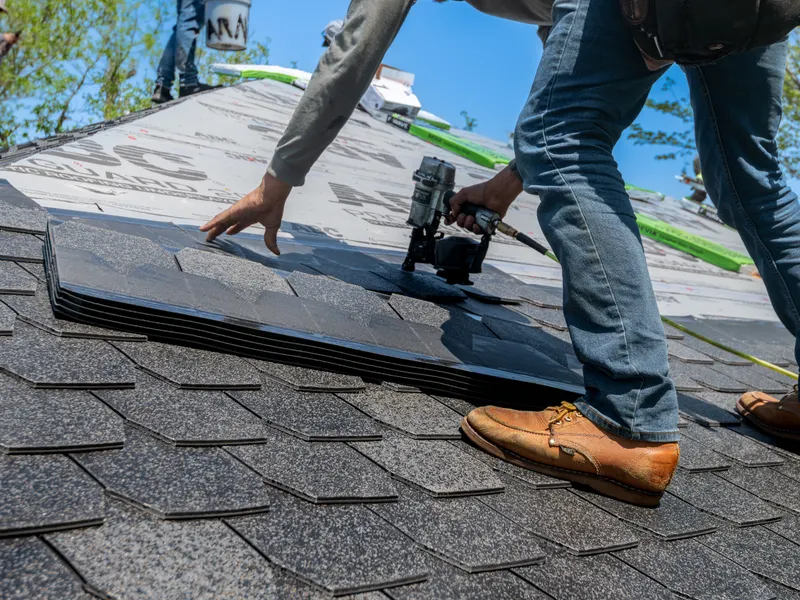
The gust breaks the seal strip and folds the tab back. A crease is a broken mat — that shingle is done, even if it lies flat again.
The obvious one. Every gap exposes underlayment and nail lines that were never meant to see water.
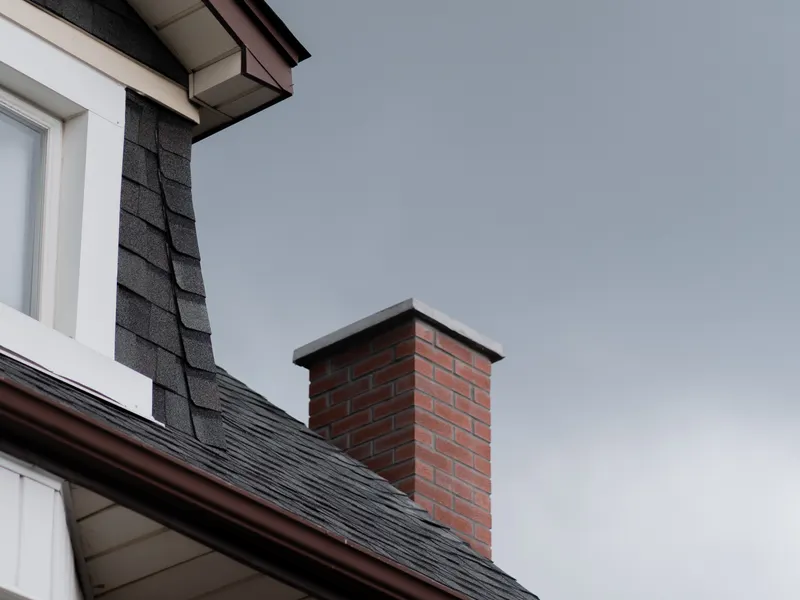
The highest, most exposed lines on the roof catch the strongest wind. Ridge caps and step flashing peel first.
Wind gets under the roof at its edges. Drip edge and starter courses either hold the line or the field goes with them.
At 3:30 PM the storm hit Attica with 50-knot wind (about 58 mph) before it dropped golf-ball hail on Warsaw.
| Location | Confirmed wind | Time (EDT) |
|---|---|---|
| Attica | 50 kt (≈58 mph) | 3:30 PM |
| Covington | 50 kt (≈58 mph) | 3:46 PM |
| Dale | 50 kt (≈58 mph) | 4:10 PM |
| Orangeville Center | 52 kt (≈60 mph) | 4:10 PM |
Source: NOAA/NCEI Storm Events Database, Wyoming County, NY, April 29, 2025. The Attica report alone logged an estimated $10,000 in property damage. The same cell dropped measured hail on Warsaw, Covington, and Sheldon Corners — what hail does to a shingle →
Asphalt shingles are commonly rated for 60–130 mph depending on product and installation — but ratings assume the seal strips are bonded. On an aging roof, a 58-mph gust is exactly the kind that lifts tabs without leaving debris in the yard. If your roof was in the path and has never been checked, that’s worth ten minutes of our ladder time.
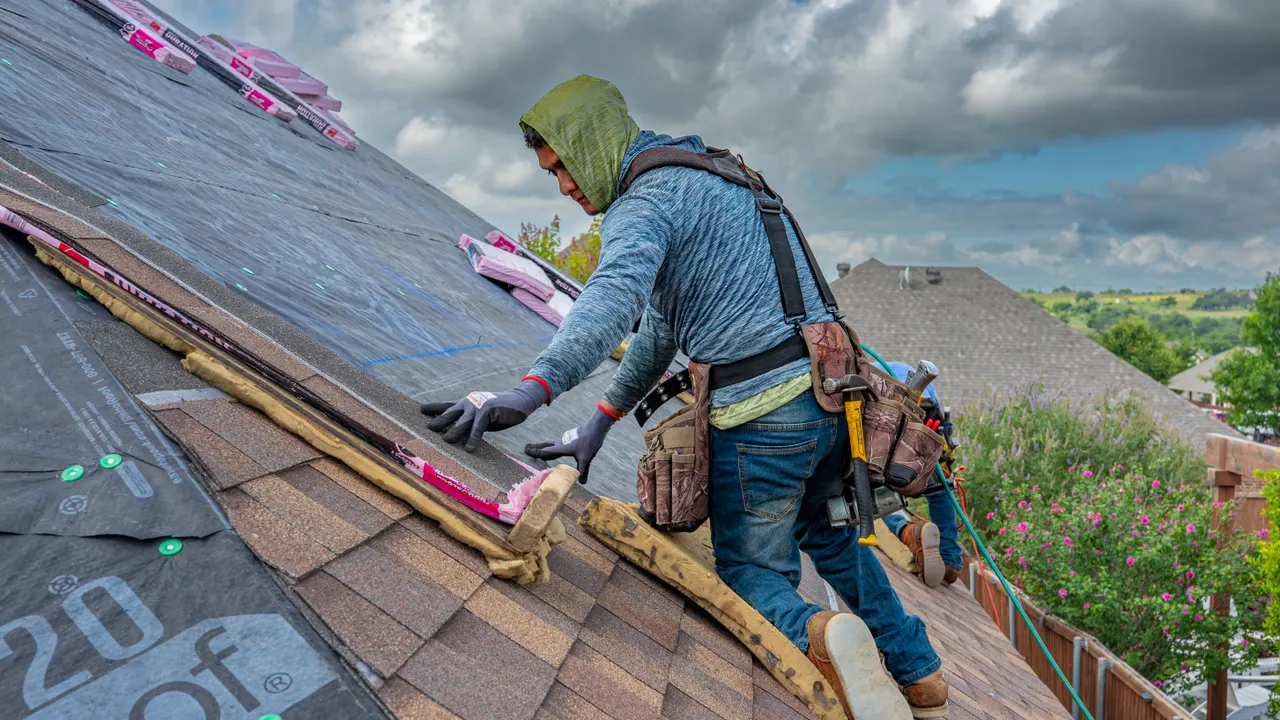
Representative photography, labeled as such.
Wind damage is one of the most commonly covered perils in a homeowners policy — and one of the easiest to under-document. Photos of lifted tabs, creases, and exposed nail lines, taken before the next storm rearranges the evidence, are what a fair claim decision is built on.
Straight talk on insurance claims. We inspect, photograph, and document the damage, and we give you a written, itemized estimate you can hand to your insurer — and we can meet your adjuster on the roof. Your insurance company decides what’s covered. We don’t negotiate settlements — by New York law only a licensed public adjuster or attorney can represent you in a claim. We never pay, waive, or absorb deductibles (New York GBL §771-b makes that insurance fraud), and no contractor can promise your claim will be approved.
Depends on the roof’s age and how well the seal strips are bonded. New, properly installed architectural shingles shrug off 60 mph; on an aging roof, gusts in the 50–60 mph range (like the 58-mph wind documented at Attica on April 29, 2025) are enough to lift and crease tabs.
Maybe not. A crease means the mat is broken, and a broken seal strip rarely re-bonds in a WNY climate — the adhesive needs sustained heat. Flat-looking shingles can be loose shingles. That’s exactly what an inspection sorts out.
Sometimes — it depends on your deductible and the full scope of damage, which is rarely just the visible gap. We document everything first, then you can compare the written estimate against your deductible and decide. If a claim doesn’t make sense, we’ll say so.
If shingles are missing and rain is coming, yes — an emergency tarp protects the house, and reasonable steps to prevent further damage are generally expected under most policies. Photograph the damage first, from the ground. Then call us.
Localized damage on a younger roof: repair. Widespread lifting on an aging roof: replacement is the honest answer, because new tabs won’t bond to worn courses. We photograph what we find and recommend the cheaper option when it will actually work.
Every slope, every flashing point, every lifted tab — photographed and written up before the next rain makes it worse.
The Storm & Insurance File is part of the Free 27-Point Roof Report — and the Walk-Away Promise applies: if the report says your roof is fine, we hand you the file and leave. No follow-up calls unless you ask for one. See all 27 points →
Free inspection, photos of every slope, and a written repair scope — before a lifted tab becomes a ceiling stain.