Home / Service Area / Irondequoit
Small lots between the bay and the lake, and some of the worst ice damming in the county.
Irondequoit is hemmed in by water on two sides, Lake Ontario on the north and the bay on the east, which is why it was built dense and why it stopped growing. Titus, Ridge and Culver carry most of it, and the housing behind those roads is close-set and mostly pre-1960.
Ridge Road and Titus Avenue east to west, Culver and Hudson north to the lake, Irondequoit Bay along the entire eastern side.
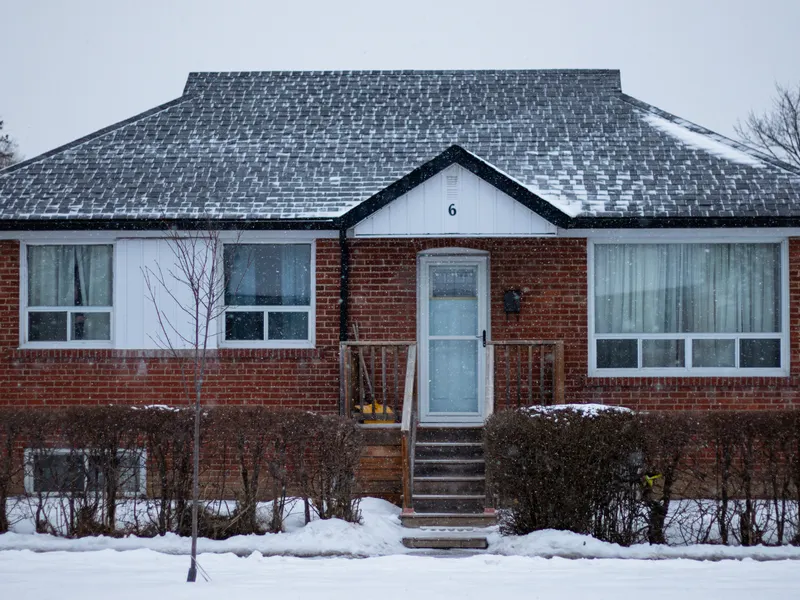
Capes, bungalows and small colonials from the twenties through the fifties, on narrow lots with driveways to match.
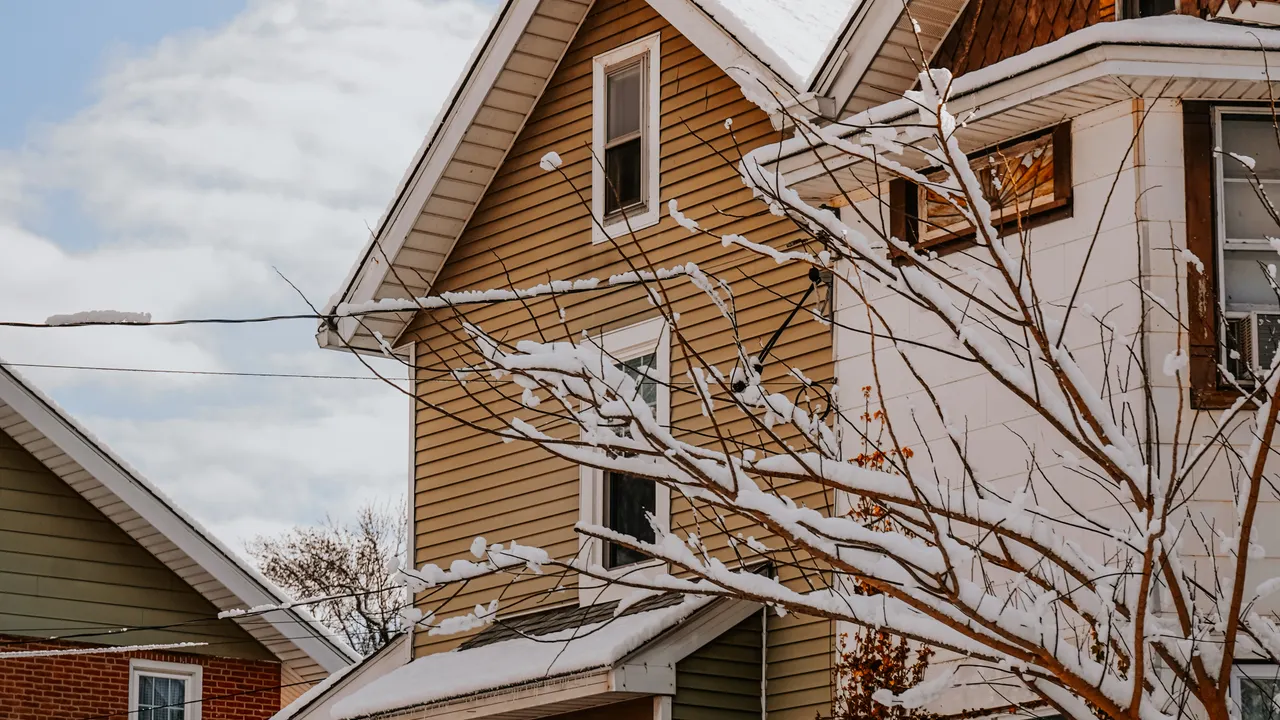
Water on two sides and nothing blocking the wind. Snow sits on a shallow cape roof, and the eaves here freeze hard.
About an hour from Attica, up the 390 and across Ridge.
What this town has, street after street, is a textbook ice dam problem: a low cape roof, a warm attic, a cold eave over an unheated overhang, and meltwater that refreezes and backs up under the shingles. The stain shows up inside in February and the cause is usually three feet of roof you cannot see from the ground.
Straight talk on insurance claims. We inspect, photograph, and document the damage, and we give you a written, itemized estimate you can hand to your insurer — and we can meet your adjuster on the roof. Your insurance company decides what’s covered. We don’t negotiate settlements — by New York law only a licensed public adjuster or attorney can represent you in a claim. We never pay, waive, or absorb deductibles (New York GBL §771-b makes that insurance fraud), and no contractor can promise your claim will be approved.
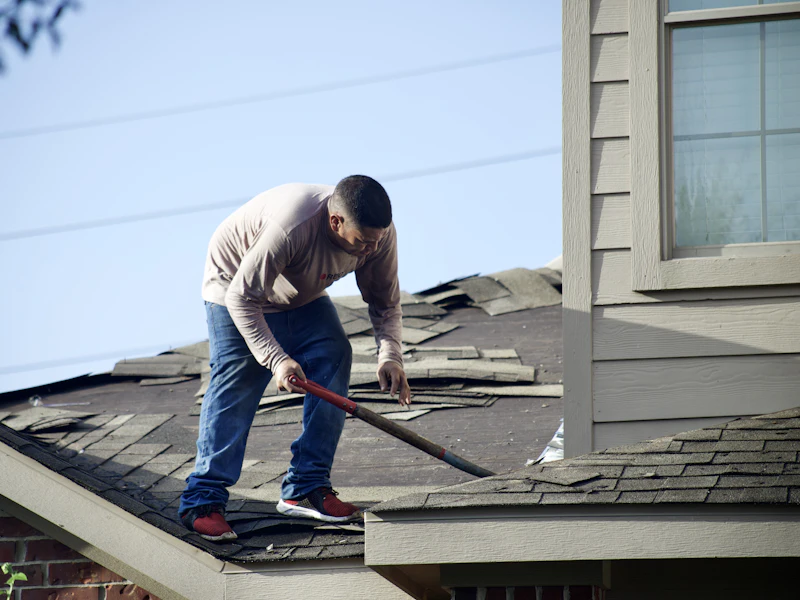
Repair or full replacement — we photograph what we find and recommend the cheaper fix when it will hold.
Explore roofing →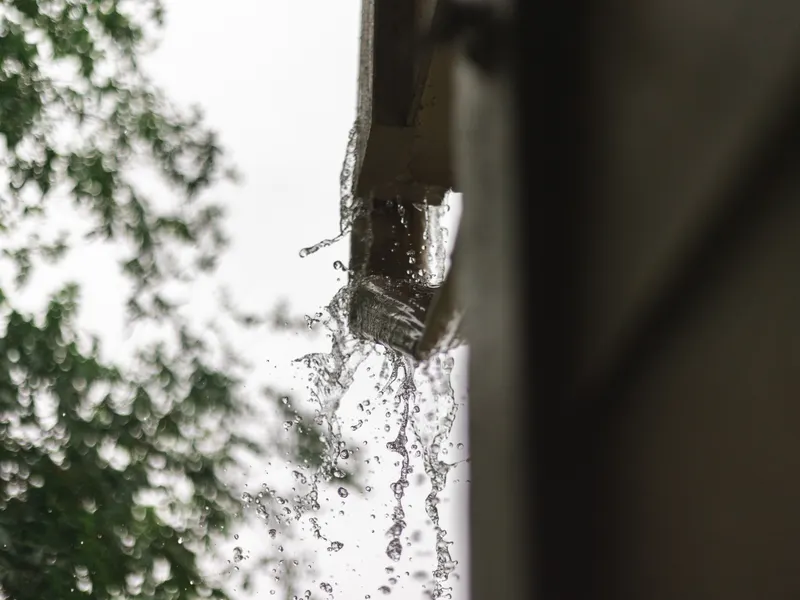
Seamless runs sized to the roof that feeds them — fewer seams, fewer failure points.
Explore gutters →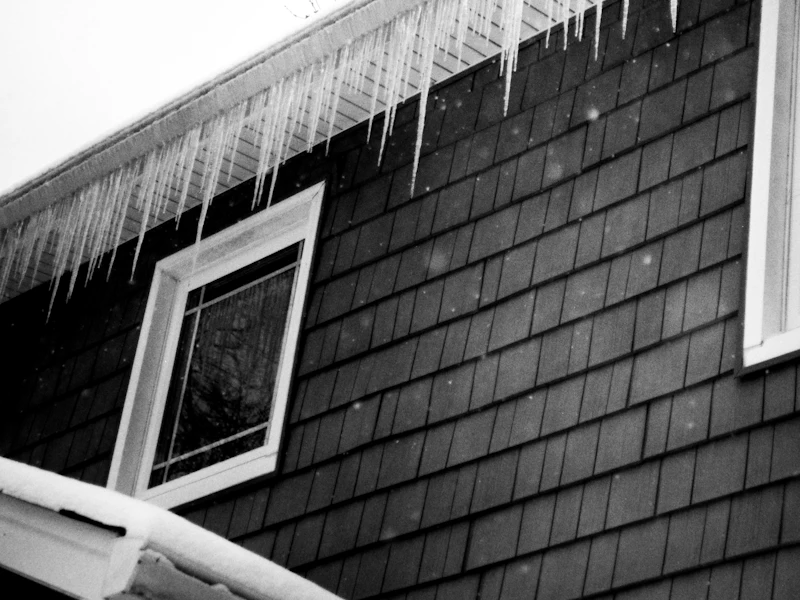
Wind off the lake plain and ice at the eaves. We photograph every slope and put the findings in writing.
Explore storm damage →Representative photography — our first Irondequoit-area projects will be documented here.
On an Irondequoit cape the membrane at the eave is not an upsell, it is the part doing the work in February. We run it well past the interior wall line, and the written scope says exactly how far.
Nearby: roofing in the City of Rochester · roof reports in Webster · roofing in Greece · roof repair in Brighton
A re-roof here needs a town permit, which Irondequoit charges $50 for on a house. We pull it, meet the inspector, and it shows as its own line in the written price. The bigger practical issue is the lots: they are small and the houses are close, which changes how a tear-off runs: where the dumpster sits, which side the ladders go up, how debris is kept off a neighbour’s driveway. We walk the property and agree the staging before the first bundle arrives, because on a street like this the alternative is an argument on day two.
Most of Irondequoit predates 1978, which puts painted soffit and fascia under the federal lead rule. True North is an EPA Lead-Safe Certified Firm, NAT-F347405-1, so containment under the eave and a proper clean-up are part of the job rather than a line item. The city’s 1980 ordinance is a City of Rochester rule and does not apply out here, but the federal one does.
The other thing worth saying plainly: on a cape, the fix for recurring ice is often not the roof. Air sealing the attic floor and getting the soffit vents clear will do more than another layer of shingles. We look in the attic first, and if that is the answer we say so even though it is a smaller job for us.
Not by itself. Ice dams are an attic heat and ventilation problem, and a new roof over the same attic will dam again. We check insulation, air sealing and soffit venting first and tell you honestly if the roof is not the fix.
We agree the staging with you before the job: where the container goes, which side the ladders go up, how we protect the drive and the neighbours'. On a narrow lot that conversation happens first, not on the morning of.
If we disturb painted soffit, fascia or trim, yes — the federal rule covers pre-1978 homes. We're an EPA Lead-Safe Certified Firm, so the containment and cleaning verification are standard on a house that age.
Maybe. We photograph it, write an itemized estimate and give you the file. The decision is your insurer's — we don't negotiate settlements or promise an outcome.
Every slope photographed, findings explained, and a written, itemized price — repair, replace, or “you’re good for now.”
The Walk-Away Promise: if the report says your roof is fine, we hand you the file and leave. No follow-up calls unless you ask for one. See all 27 points →
Tell us what’s going on up top. We come out, photograph everything, and put the answer in writing — no pressure.
